BlogFarm to bag
Farm to bag
Coffee is a fruit.
The bean you brew is the seed inside a cherry, and a lot happens to it before it reaches your cup.

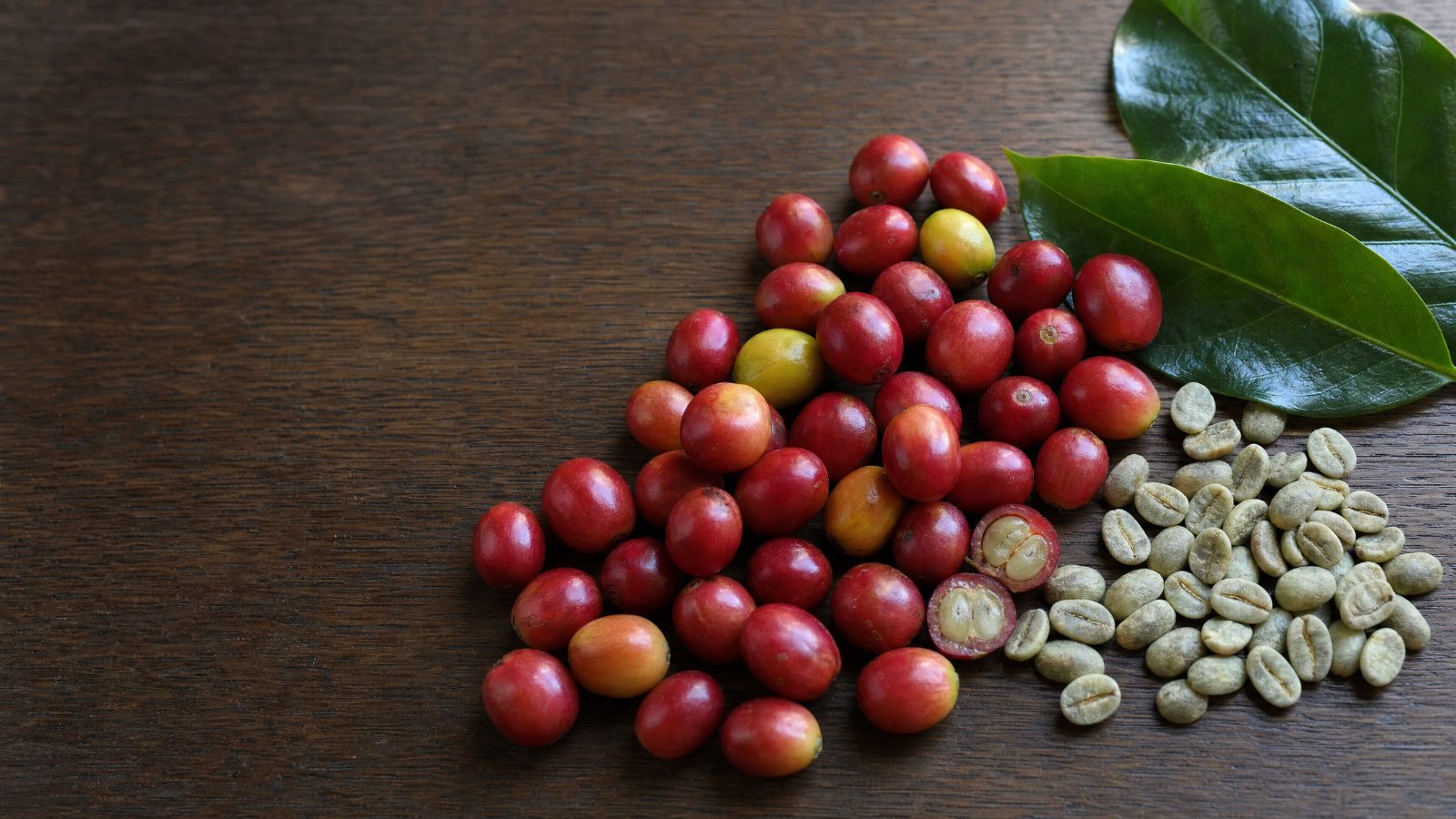
Between the branch and your cup, the seed inside a coffee cherry passes through a lot of hands: pickers, drying patios, warehouses, shipping containers.
Every one of those steps can raise or lower what ends up in your mug. Here’s what I mean.
After harvest
It starts with how it dries.
After harvest, cherries have to dry. Natural processing dries the bean inside the fruit, pulp and all. Washed processing strips the fruit away first, so the bean dries faster.
A wet, sugary cherry sitting in warm air is exactly what certain molds are looking for. Some of those molds produce a compound called ochratoxin A, or OTA.
And OTA isn’t rare. Across 40 studies of coffee worldwide, researchers detected it in 1,778 of 3,256 samples, or 54.6%.1
That’s why the way a cherry is picked and dried matters. The longer a wet cherry sits, the more time mold has to take hold.
Drying isn’t the end of it. The beans have to stay dry through storage and shipping, and damp conditions, like reused jute sacks, are one way contamination can creep back in after harvest.
Roasting can reduce OTA, but it’s not an eraser. Starting clean matters more.
Knowing the source
Not the country. The chain.
So when I say knowing where your coffee comes from matters, I don’t mean the country. I mean the chain.
When beans from many farms and regions get blended together, it gets much harder to know how any one lot was picked, dried or stored. A single, traceable source means those questions actually have answers.
That’s the standard I hold The Ultimate Brew to: single-origin arabica from Tolima, Colombia, USDA Organic, one traceable supply chain from farm to bag.
Then I test every lot anyway, for mycotoxins, heavy metals, and pesticides including glyphosate.
A good story isn’t proof. A lab report is.
Three questions for any bag of coffee.
That gives you three questions to ask about any bag of coffee, mine or anyone else’s:
- 01
Is it single-origin?
That tells you whether the chain can be traced.
Ours: Tolima, Colombia - 02
Is it organic?
That tells you how it was grown.
Ours: USDA Organic - 03
Is it tested?
That tells you whether anyone checked.
Ours: every lot
If a brand can answer all three, it knows its chain.
You can see what that testing looks like for yourself. The report for the Sprouts lot, TUB-0001, is online.
The OTA figure is from a 2024 review of 40 studies of coffee worldwide.1
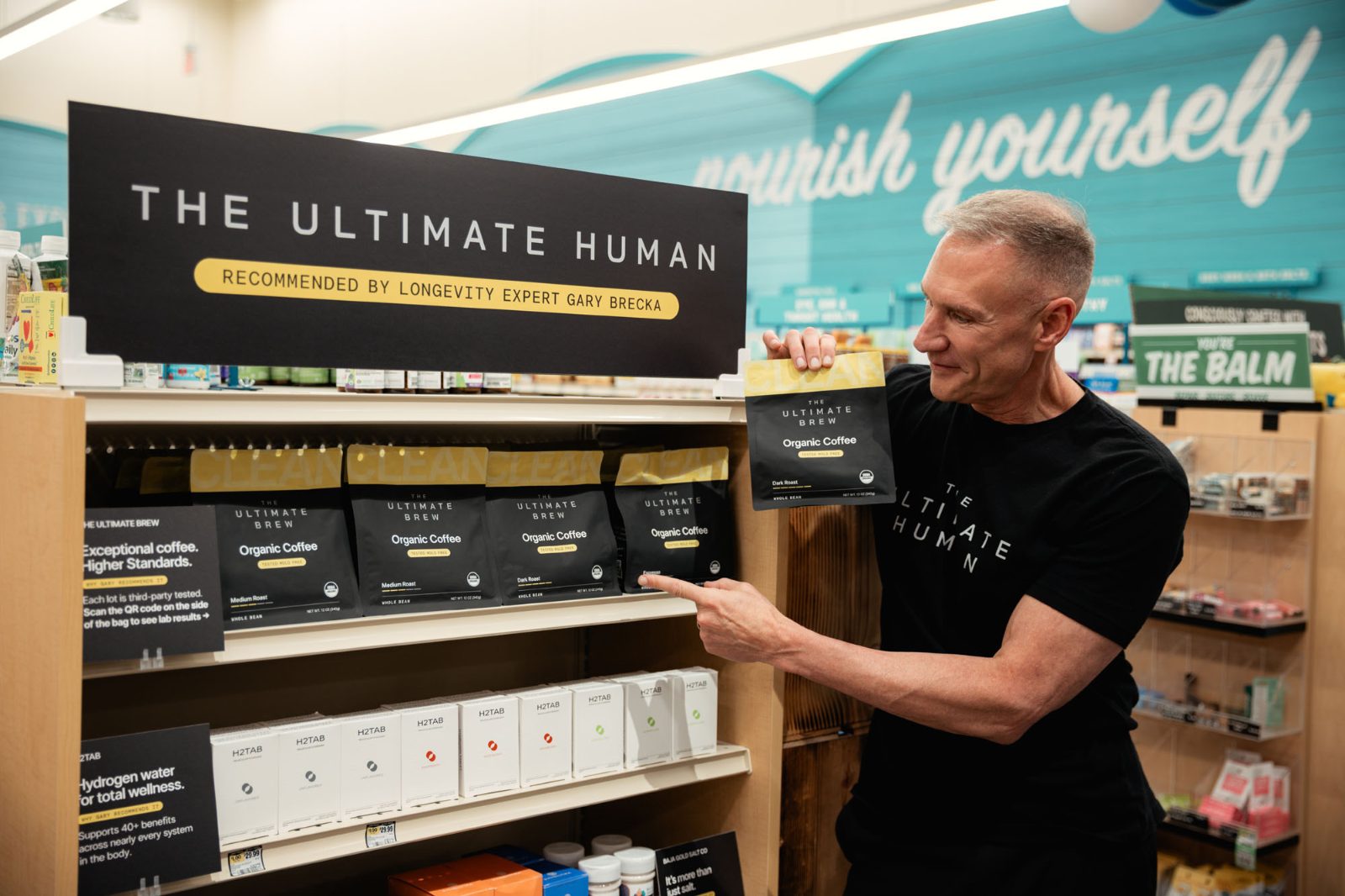
Only at Sprouts
Right now, The Ultimate Brew is on the endcap at Sprouts, through October 27.
Thanks for finding us at Sprouts.
Medium Roast, Espresso and Dark Roast. Single-origin arabica from Tolima, Colombia, USDA Organic.

Gary BreckaFounder, The Ultimate Brew
Sources
- Massahi T, et al. A worldwide systematic review of ochratoxin A in various coffee products: human exposure and health risk assessment. Food Additives & Contaminants: Part A, 2024;41(12):1594-1610. doi:10.1080/19440049.2024.2400697. Pooled 40 studies: ochratoxin A was detected in 1,778 of 3,256 samples.